 That Reptile Blog – Reptile, Amphibian and Exotic Pet Care and Information

Just Because They’re Inside Doesn’t Mean That They Can’t Feel That It’s Fall
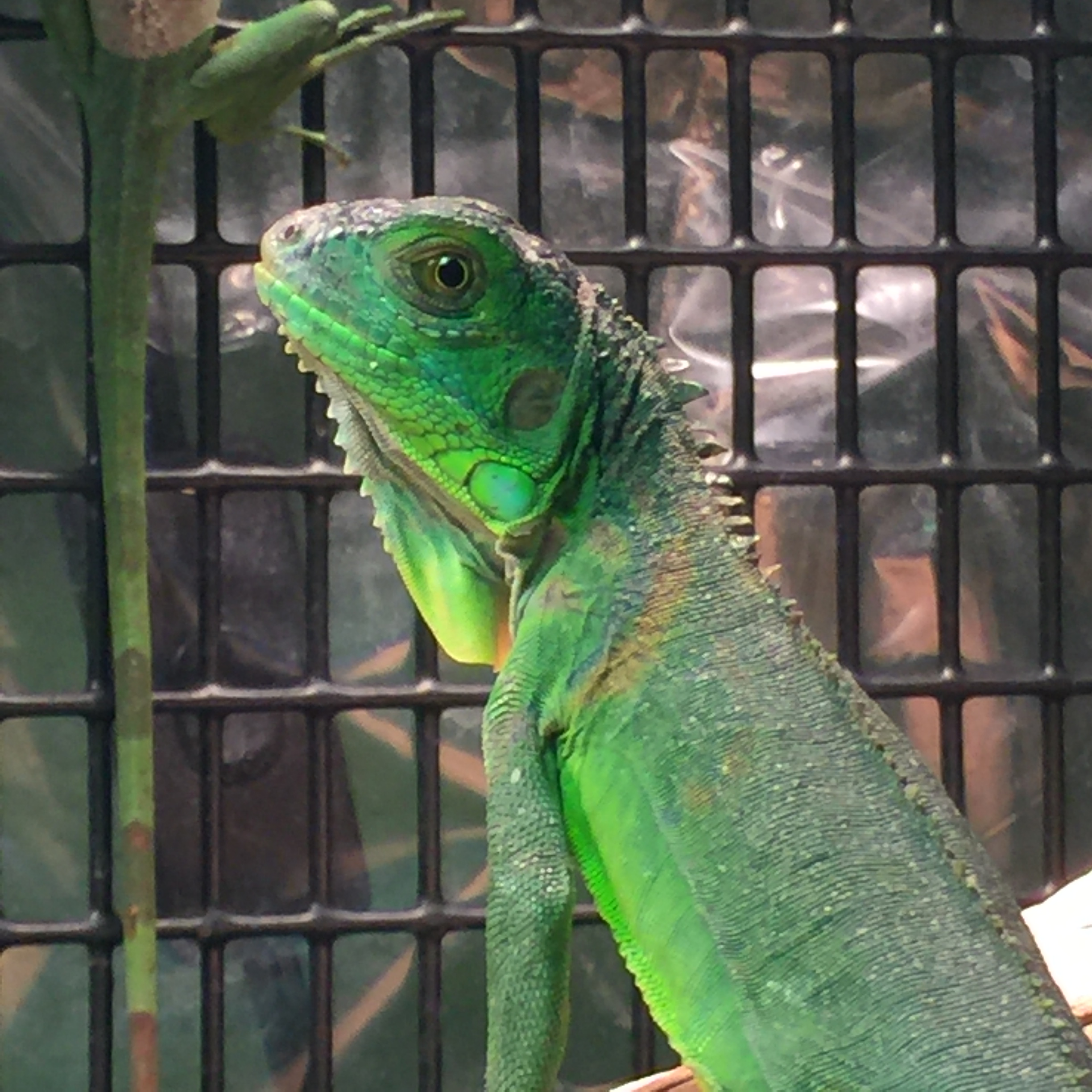 Fall is here again at That Fish Place – That Pet Place. The leaves are changing color and, more importantly, the temperatures are dropping. Chompers is packing his bags for winter migration, and Bernie is digging out all of his old doggy sweaters. They already have their plans to stay warm this winter, do your reptiles?
We mammals have it easy; when the outside gets too cold, our insides warm up. Reptiles, on the other hand work differently. As you probably already know, our scaly friends need to be provided with warm and cool areas within their enclosures in order to allow them to regulate their body temperature as they would in their natural habitats. The most common way to accomplish this is by the use of heat bulbs, which are placed on a metal screened top of a glass aquarium.
At first it can be overwhelming when trying to decide on what type of heat bulb to use. They come in different wattages. Some are round, others are beveled. Some are white, some are blue, some are purple, the list goes on. Luckily, with the help of our awesome TFP reptile staff, we get you started off with the right type of bulb to keep your animal happy and healthy.
But just because they are indoors doesn’t mean that they aren’t affected by the changing temperatures outside.
Every fall, customers come to us in concern because their pet, who has been happy and healthy all spring and summer, is now slow and lethargic. Sometimes they may refuse to eat. They may stay in their hide-out all the time. Or they may just not seem like themselves. Many people begin to fear the worst, forgetting that the fall drop in temperatures have a huge effect on their cold blooded buddies. If you are finding yourself in a situation like the one that I have just described, it’s time to re-evaluate how you’re heating your animal for the upcoming winter.
Here are some tips that can help you figure out if you need to change your heating setup for the winter:
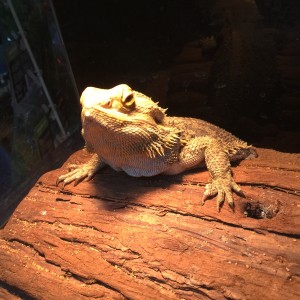 Know the appropriate temperature ranges for your pet
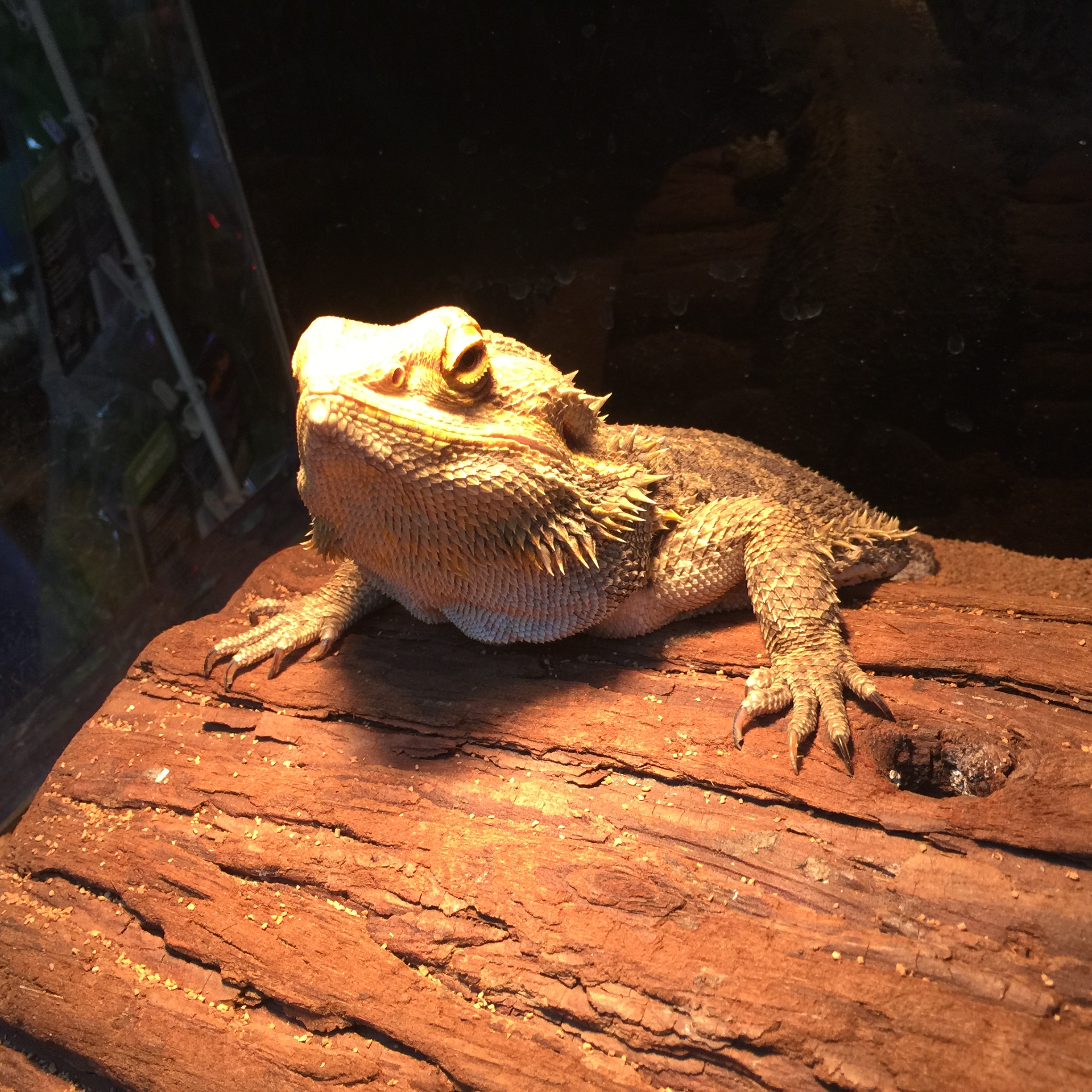
Every species’ temperature requirements will be slightly different. For example, a rat snake only needs a basking temperature of about 85 degrees, where as a bearded dragon prefers to have one around 110 degrees.
Know the heat output of the bulb that you are currently using
Most manufacturers post a chart on the back of the box to denote the approximate temperature output at various distances from the bulb itself. Note: These temperatures are approximations, usually based on 72-75 degree ambient room temperature.
Make sure that you have a good thermometer
I personally use digital probe thermometers such as ZooMed Digital Terrarium Thermometer for all of my pets. Those little stick on thermometers might be okay for your beta fish, but not really for reptiles.
Be sure that your thermometer is placed correctly in the terrarium
The probe should be placed under the heat lamp, in the spot where your pet usually basks.
If your thermometer placement is correct and it is still reading too cool for the species that you are keeping, it’s time to get a higher wattage heat bulb or add a secondary heat source.
Our reptile room staff will be happy to help you quickly figure out the best way to heat your pet for the winter. We have heat bulbs of all shapes, colors, and wattages, as well as heat pads and even automatic thermostat systems which will let you “set it and forget it.” Stop on in! Your reptiles will thank you for it.