Posts tagged Feeding Snakes

Recent Field Research – Reptile and Amphibian Feeding Observations

Eastern Hognos SnakeHello, Frank Indiviglio here.  Many interesting field research reports are published in professional journals such as Copeia, Herpetologica and Herpetological Review, and are not available on the internet.  From time to time I’ll provide summaries of some of the fascinating articles that I come across.  Today’s report, drawn from Autumn, 2010 publications, covers observations of free-living snakes, turtles and caimans.

Giant Meals…even for snakes!

Snakes are “big meal specialists”, but rarely consume animals larger than themselves.  However, a Southern Toad and a Spadefoot Toad, swallowed by different Eastern Hog-nosed Snakes, Heterodon platyrinos, each outweighed the snake by several grams!  More >

Vote This Post DownVote This Post Up (No Ratings Yet)
Loading ... Loading ...
feeding and diet, Field studies and notes, General Reptile & Amphibian Articles, Non-venomous Snakes, Reptile and Amphibian Health, Reptiles and Amphibians in the News, Snakes, Venomous Snakes

Vitamin and Mineral Supplementation for Aquatic Frogs, Turtles & Newts – Part 2

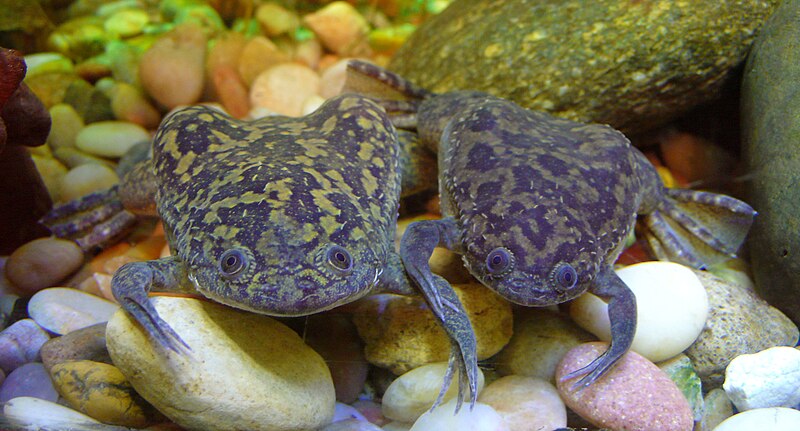
Clawed Frog PairHello, Frank Indiviglio here.  In Part 1 of this article we discussed vitamin/mineral supplements for aquatic animals that accept prepared/non-living foods; included among these are African Clawed Frogs, Sharp-Ribbed and many other newts, and most water-dwelling turtles.

Live Prey Specialists

Animals that take live prey only are especially troublesome when it comes to supplementation, as one cannot coat live aquatic food animals with powders.  Popular live food specialists include Dwarf African Clawed Frogs, Mata Mata Turtles, Surinam Toads, Mudpuppies and the larvae of most salamanders.  More >

Vote This Post DownVote This Post Up (No Ratings Yet)
Loading ... Loading ...
Amphibians, feeding and diet, Frogs, Newts, Reptile and Amphibian Health, Salamanders, Toads

Vitamin and Mineral Supplementation for Aquatic Frogs, Turtles & Newts – Part 1

Pipa PipaHello, Frank Indiviglio here.  Powdered vitamin and mineral supplements for reptiles and amphibians have been a great boon to herp keepers.  However, African Clawed Frogs, Red-Eared Sliders, Axolotls and other creatures that feed only in water present special challenges, as the supplements wash away before being consumed.  Today we’ll look at some ways around this problem. More >

Vote This Post DownVote This Post Up (+1 rating, 1 votes)
Loading ... Loading ...
Amphibians, feeding and diet, Frogs, General Reptile & Amphibian Articles, Reptile and Amphibian Health, Salamanders, Toads

“Help, My Ball Python Won’t Eat” – The Troublesome Habits of a Popular Pet – Part 2

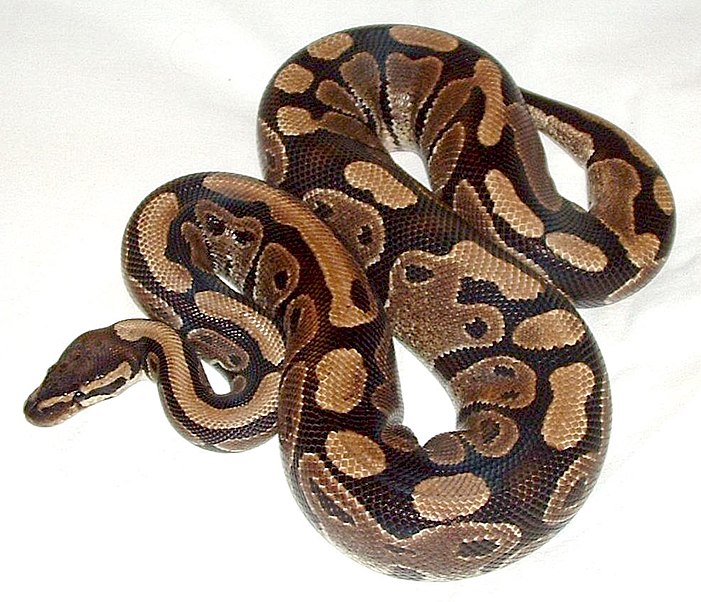
Ball PythonHello, Frank Indiviglio here.  Please see Part I of this article to read about theories that may explain this species’ (annoying!) habit of fasting for long periods.

Feeding Techniques

If your snake goes on a “hunger strike”, try leaving a (dead) mouse or small rat in the terrarium overnight, hiding it within a cave (“finding” the food seems to stimulate some snakes) or moving it about with a long-handled tongs. More >

Vote This Post DownVote This Post Up (+1 rating, 1 votes)
Loading ... Loading ...
Non-venomous Snakes, Reptile and Amphibian Health, Snakes

“Help! My Ball Python Won’t Eat” – The Troublesome Habits of a Popular Snake – Part 1

Pet Ball Python, LucyHello, Frank Indiviglio here.  Also known as the Royal Python (Python regius), this smallest of Africa’s pythons is also the one best suited for captivity…one Ball Python lived at the Philadelphia Zoo for a record 47.6 years.  However, even long-term captives often exhibit the disturbing habit of refusing food for long periods.  This tendency is the source of a great many questions that I receive from both neophyte and well-experienced snake keepers. More >

Vote This Post DownVote This Post Up (+2 rating, 2 votes)
Loading ... Loading ...
Non-venomous Snakes, Reptile and Amphibian Health, Snakes