 That Reptile Blog – Reptile, Amphibian and Exotic Pet Care and Information

Today I’d like to highlight a question that was recently posed on this blog concerning the use of wild-caught invertebrates as pet food. The writer expressed the well-founded concern that fertilizers might render such invertebrates toxic, and also asked about the possibility of parasite transmission.
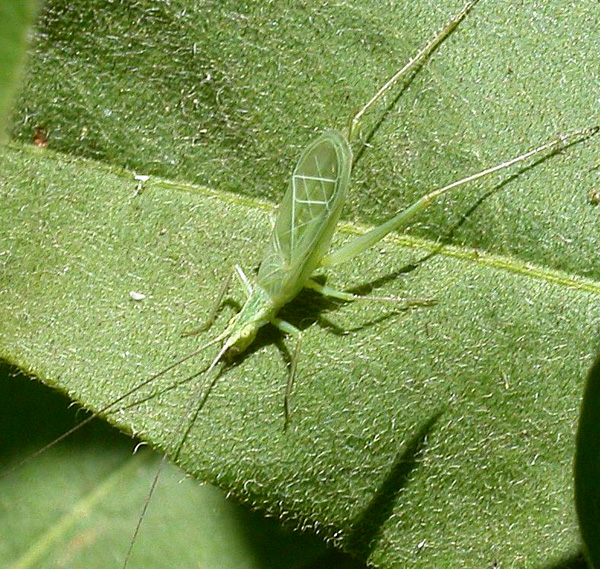
Fertilizers
Fertilizers might be a concern for invertebrates collected in high use situations, such as insects seined from farm ponds or earthworms taken from golf courses. Frogs in farm ponds are being affected by fertilizers, but likely directly, through water absorption, rather than via diet. I always play it safe and avoid such areas, and I do not collect insects, such as roaches or Japanese Beetles, that are the focus of pest-control campaigns.
Parasites
Parasite transmission via invertebrates is largely limited to parasites that require 2 hosts in order to complete their life cycle, with the wild-caught invertebrate being the first host and, theoretically, one’s pet being the second.
The most common intermediate (“first”) hosts of “two-host parasites” are crayfishes and snails, although terrestrial invertebrates are also involved (especially earthworms). Fortunately, most such parasites are very specific as regards both hosts, and also must be present in the right stage of their life cycle if they are to infect the second host…the concurrence of these conditions in captivity is, in my experience, highly unlikely.
In general, parasites specific to invertebrates (i.e. a protozoa that attacks one host, such as a cricket) would not be a danger to reptiles or amphibians.
Practices in Zoos
At the Bronx Zoo, wild caught snails and crayfishes have long been used as part of the weekly diet of many turtles and other reptiles without incident. Some zoos do, however, treat these food items in order to kill parasites before using them as food for the animal collection. While many fish medications are lethal to snails and crayfishes, some folks report success with Praziquantel-based products (please write in if you need further information).
In conclusion, there are some risks but, in my experience, these can be easily managed. If your pets will accept dead or tong-fed food items, you might wish to consider using Canned Invertebrates, which are farm-raised and cooked.
Further Reading
Please see my article Wild Caught Insects: Pesticide Concerns for important information on collecting food for your collection.


Hey frank i’ve recently started studying parasites and allso cures “allthough cures are hard to find for some and there are many”
I figure these must be sompthing to learn and know how to combat if im going to keep pets allthough i do not have any problems at this moment.
“But i get worried every time i feed my bullfrog a wild cought fish weather minnow or scoulpin i know these creatures feed on daphnia at a young age and daphnia feed on worm eggs there and single celled algie and may cary worms”
I allso was want to learn alot about parasites and illnessis in lizards and amphibians for a possible future In speclised vet care for these shuch animals
I allso found a good veterinary healthcare website that gives cures for certant parasites mostly for tortises that i’ve read sofar via solutions in water and soakings
Hi Cody,
Thanks for the feedback; wonderful field to study…as renowned entomologist E.O. Wilson put it “The little things rule the world”! best to get a good background in the basics, as much of the info you’ll find on specific topis, especially on the net, may be less-useful when read out of context. While it’s important..indeed critical – to think deeply on such things, impt also to realize what to be concerned about, and what is impossible to avoid. All wild caught, and most captive animals have parasites..what type, how the parasites reproduce and the animals other gut fauna and general health determine risks. Same re various bacteria, etc…Salmonella, for example, is likely carried by every reptile and amphibian, but is only problematical under certain circumstances.
I suggest looking at Dr. Kevin Wright’s book Amphibian Medicine and Captive Husbandry; principles apply to herps in general. Dr Wright is a friend, world renowned in this field; he wrote the articles on this site as well,, but is no longer associated with that hospital. You should find some info on parasite treatment there as well.
best, Frank
Hello Frank,
I recently acquired a leopard gecko with its tank and accessories for a great price. I’ve been reading a lot about its care and was planning on feeding it wild caught insects as part of its diet when the summer months arrive. However, I’ve also been reading about common leopard gecko diseases like cryptosporidiosis, other coccidiomycoses, and giardasis. I know you stated it’s rather rare in your experience for parasites from wild caught bugs to infect pet reptiles. How likely is it that a pet gecko could contract cryptosporidiosis from eating wild caught crickets, grasshoppers,etc.? I had read in an article that the way crypto is spread to reptiles is when feeder crickets eat contaminated reptile feces and are then in turn eaten by the said reptile. Just curious to know. Thanks!
Hi Malik,
It’s a very complicated topic; many parasites are fairly specific in host choice, others general. Farm raised insects have their share….raised by the billions, no real way to control for that. We’ve not seen parasite transmission at the Bx Zoo, but it is theoretically possible; pesticides can also be a hazard. Please let me know if you need more info, best, Frank