 That Bird Blog – Bird Care and History for Pet Birds

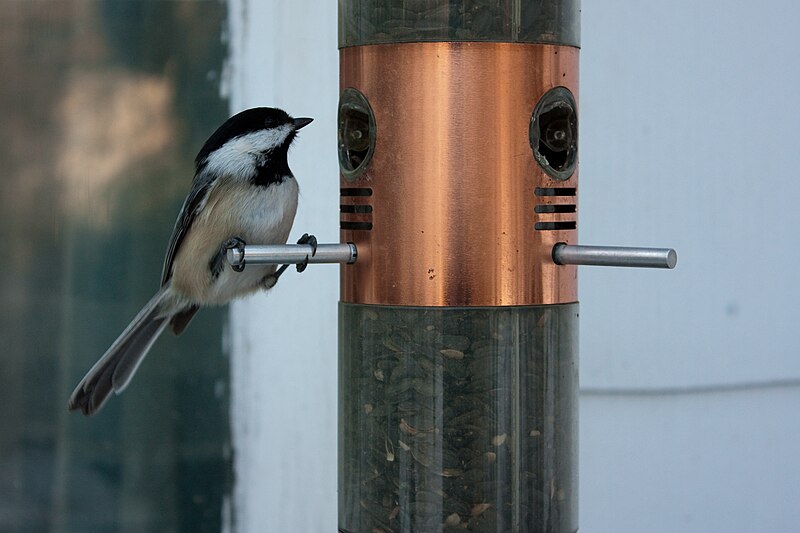
 Winter brings with it unique bird-watching opportunities, as cold weather forces otherwise-shy species to visit feeders in search of food. Rare visitors driven south by severe weather and others blown off course during migration also brighten birders’ days. Today I’d like to alert you to several new (and standard) bird feeding products, and highlight some ways to see the unusual avian visitors to your neighborhood.
Birding Surprises
Wherever you are located, winter birding is an exciting prospect. Often, unexpected birds tend to stay put for quite awhile, due to disorientation and the need to remain near a newfound food source. Checking with the many on-line and telephone services (yes, phone-based reports still exist, check here!) is a great way to remain aware of what’s going on nearby; if luck is with you, you can then go out and see the bird that has been reported. Read More »

 In
In